


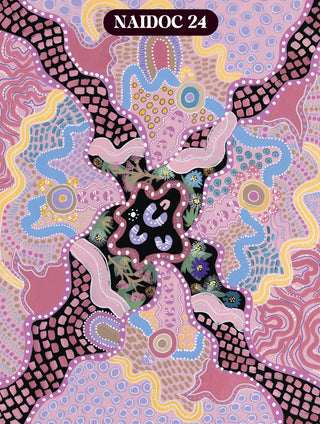
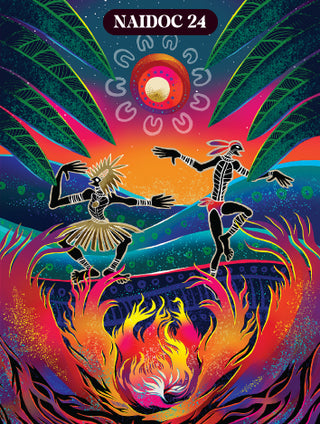
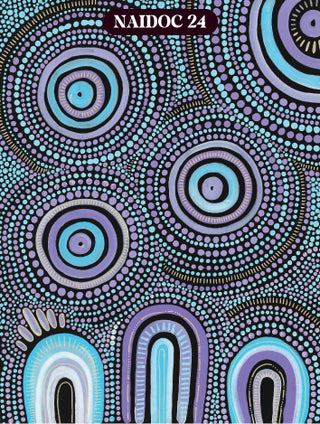
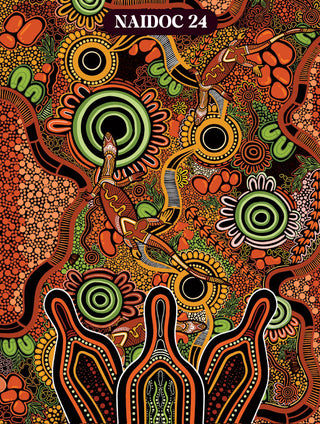


What NAIDOC Week is.
NAIDOC stands for National Aborigines and Islanders Day Observance Committee. The week began in 1938 as the Day of Mourning, expanded to a week of national observance in the 1970s, and was renamed NAIDOC in 1991 to recognise both Aboriginal and Torres Strait Islander peoples. It is held the first full week of July each year.
The week is an invitation for all Australians, First Nations and non-First Nations, to listen, learn, and stand alongside Aboriginal and Torres Strait Islander peoples and communities. The official program is run by the National NAIDOC Committee, and the annual theme is set by the Committee.
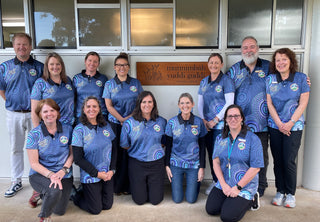
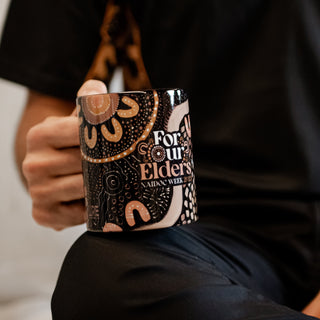
NAIDOC 2026: 50 Years of Deadly.
2026 marks 50 years since NAIDOC Week became a national observance in its current form. The theme, 50 Years of Deadly, was set by the National NAIDOC Committee. Deadly is an Aboriginal English word meaning excellent, impressive, outstanding.
The Committee's framing of the theme:
"Fifty Years of Deadly" marks a milestone. It's a tribute to the people who built this movement, the Elders who stood firm, the organisers who made space, the artists who turned resistance into expression, and the communities who keep showing up, year after year." — National NAIDOC Committee

History of NAIDOC Week
The Day of Mourning, held on the 26th of January, was one of the first national civil-rights gatherings of First Nations peoples in Australia.
The day moved from January to the first Sunday in July to mark a broader observance of Aboriginal cultures.
"NADOC", National Aborigines Day Observance Committee formed. The day expanded into a full week of recognition, led by Aboriginal members and observed nationally each July.
The week was renamed to formally include Torres Strait Islander peoples. The current name and structure have held since.
How a team can take part.
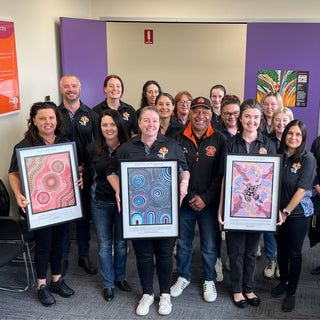
NAIDOC Week is an invitation for all Australians to listen, learn, and stand alongside Aboriginal and Torres Strait Islander peoples. For an organisation, that participation is most meaningful when it goes beyond the week.
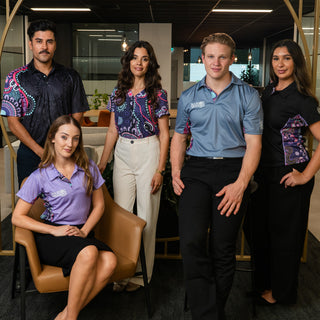
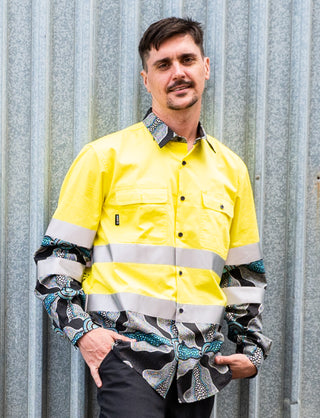
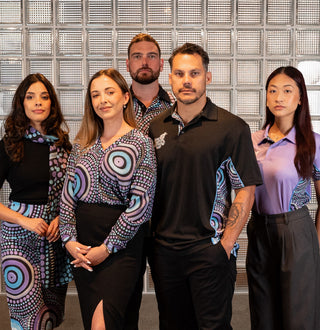
Can a non-First Nations team wear NAIDOC artwork?
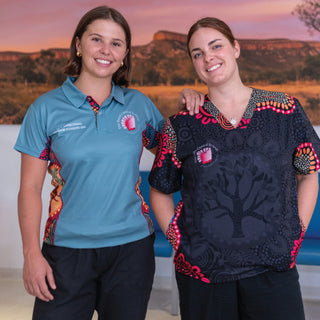
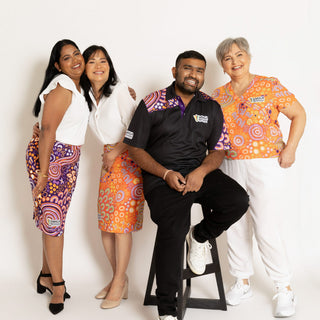
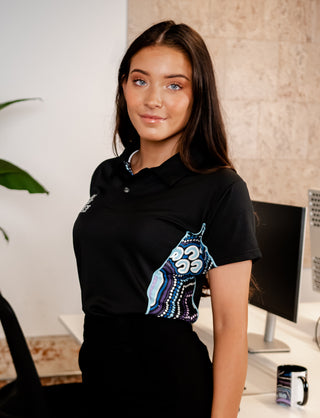
Yes. The artists who collaborate with Yarn create their artwork to be worn by everyone.
"I want all people, allies included, to be able to proudly wear their Yarn products. To show their support of not only me, but the broader Indigenous Australian community." Merindah-Gunya, Descendant of the Kirrae and Peek Whurrong Clan of the Marr Nation, First Nations artist and Yarn collaborator